
Loading...
Serving San Rafael, CA and surrounding areas. (628) 277-0007
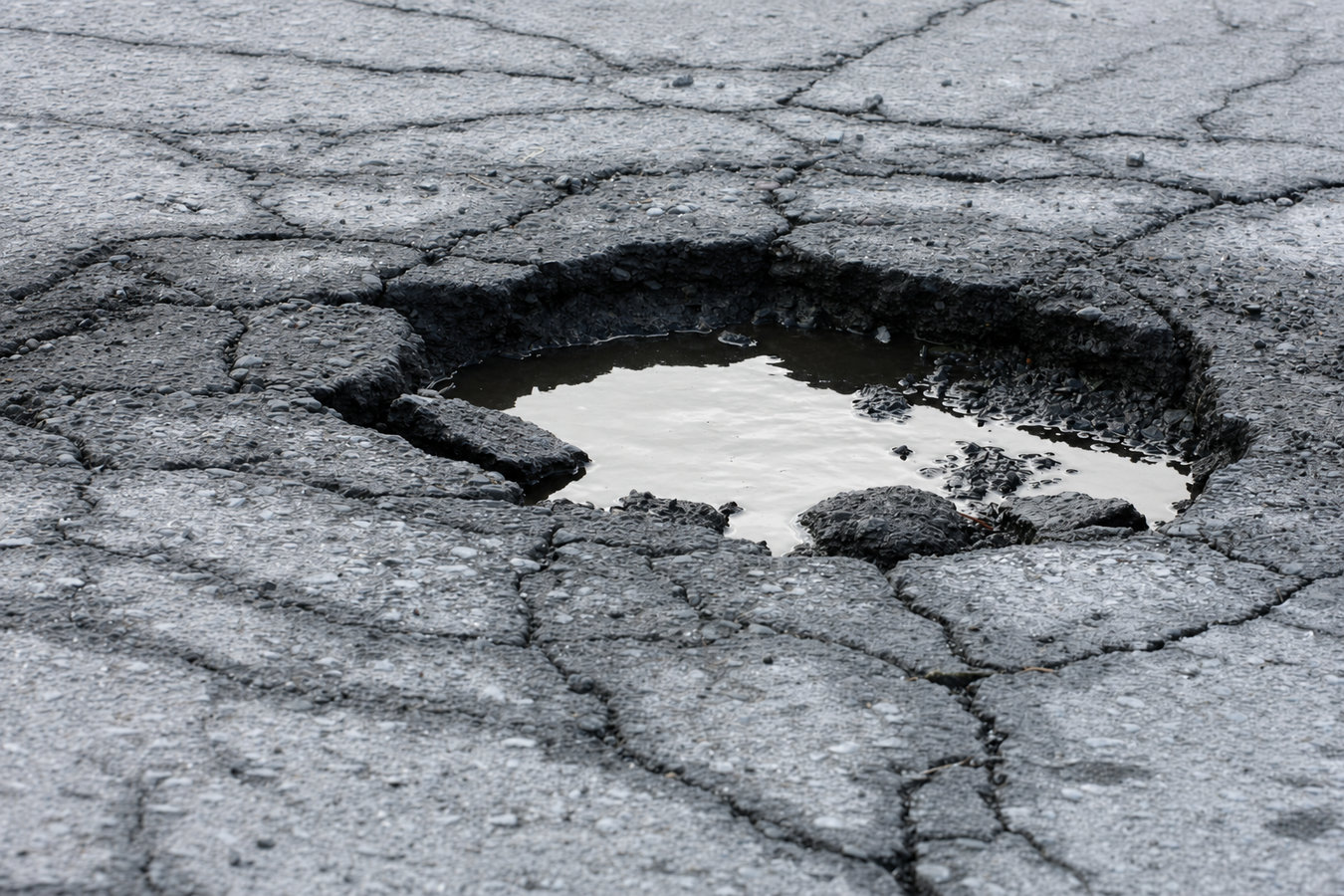
A pothole that feels small now will double in size after one Marin winter - get a permanent hot-mix repair before the rains arrive and the damage spreads.
A pothole that feels small now will double in size after one Marin winter - get a permanent hot-mix repair before the rains arrive and the damage spreads.
Pothole repair in San Rafael involves cutting clean edges around the damaged area, removing loose material, checking the base beneath, and filling the void with hot-mix asphalt that is compacted flush with the surrounding surface - most single-pothole residential jobs take one to two hours from setup to cleanup.
Most homeowners in San Rafael notice a pothole and wait, hoping it stays manageable. But Marin County's wet winters are hard on exposed damage - water that seeps into a small void quickly saturates the base material beneath, and traffic does the rest. What costs a modest repair in September can become a full asphalt repair project by March if the base fails and the surrounding surface starts to crack and crumble.
The right time to fix a pothole is before the rainy season arrives. Once a permanent patch cures - typically a few weeks - a follow-up sealcoat protects both the patch and the surrounding pavement and helps the repaired area blend in cleanly.
A clear depression in your asphalt - even a shallow one - will grow with every rain and every car that rolls over it. San Rafael's wet winters mean a small pothole in October can become a much larger problem by March if left alone.
Standing water that collects in one area of your driveway after a storm signals the surface has dipped or the base has settled. In Marin's rainy season, that pooled water works its way into the asphalt and speeds up the breakdown.
When chunks of asphalt break away at the edges of a crack, the pavement is no longer just cracked - it is beginning to fail. That loose material continues to break apart under tire pressure, and the hole widens quickly from there.
A network of small interconnected cracks spreading out from a damaged area signals the base beneath is compromised. In San Rafael's clay soil conditions, this pattern often means water has already gotten underneath - repairing the pothole now costs far less than waiting.
Not every pothole is the same, and not every repair needs the same approach. For isolated damage where the base is still solid, a standard surface patch - saw-cut edges, hot-mix fill, and roller compaction - is the right call and holds for years. When the base beneath has washed out or shifted, which is common on San Rafael hillside lots with clay soils, the repair needs to go deeper before any asphalt goes in. We assess the base honestly before quoting, because a surface patch over a bad base is money wasted. If the driveway has broad cracking and deterioration beyond a single hole, grading and excavation may be the right foundation step before repaving the whole surface.
For driveways or lots with several potholes scattered across the surface, we handle all damage in a single scheduled visit - more efficient than calling us back repeatedly. When conditions during the wet season make permanent hot-mix work impractical, a temporary cold-patch fill can stop further damage until we can complete a proper repair. And for surface damage that goes well beyond isolated potholes - widespread cracking, edge failure, alligator patterns - our asphalt repair service covers the broader picture.
Best for isolated potholes where the base is still solid - clean edges, hot-mix fill, and compaction in one visit.
Suits potholes where the base layer has washed out or shifted - excavate, recompact, and repave for a lasting fix.
Cost-effective for driveways or lots with several potholes - crew handles all damage in a single scheduled visit.
A short-term option during rainy-season wet windows - stops the damage from spreading until conditions allow a permanent repair.
San Rafael sits in Marin County, where the combination of clay-heavy soils and a concentrated wet season from November through April creates conditions that are unusually hard on asphalt. The clay beneath driveways swells when it absorbs winter rain and shrinks back in the dry summer - that seasonal movement pushes and pulls the pavement above it, opening new cracks and worsening existing damage faster than in areas with more stable soil. A repair that ignores this reality and just fills the hole without checking the base will almost always reopen within a season. Many homeowners in San Anselmo and across the county see the same repeating pattern on their hillside driveways - a patch that held for a year, then the pothole came back because the base was never properly addressed.
Hillside lots add another layer of complexity. Sloped driveways in San Rafael funnel water along the edges of the pavement, which can undercut the base and cause potholes to form at the low point or along the edges where runoff concentrates. Proper compaction on a slope takes more care than on flat ground, and edge sealing is especially important to prevent water from getting back underneath the patch. We work on sloped driveways throughout the area - including in Fairfax and other hillside communities in Marin - and we factor the slope into how we approach the repair from the start. The National Asphalt Pavement Association outlines best practices for pothole repair that we follow on every job, from edge preparation through compaction.
We visit your property to look at the damage in person. For a straightforward residential pothole, many jobs can be quoted on the spot after we see the base condition and edges. We reply within 1 business day to schedule.
You receive a written estimate covering the scope - simple surface patch or base rebuild - along with the cost. We schedule during a dry stretch so the hot-mix bonds correctly and cures without rain interruption.
The crew saws clean, straight edges around the damaged area, removes all loose asphalt and debris, and probes the base. If the base is soft or washed out, it is repaired before any new asphalt goes in.
Hot-mix asphalt is placed in layers and compacted with a roller until the patch sits flush with the surrounding surface. In San Rafael's mild temperatures, the repair is typically drivable within a few hours of cooling.
Free on-site estimate, written quote, no pressure. We reply within 1 business day.
(628) 277-0007We probe the ground beneath each pothole before quoting or starting work. Skipping that step is why cold-patch fills loosen after a storm - if the base is soft, we say so and fix it properly rather than patching over the problem.
Cold-mix bag patches are a temporary fix that loosens within weeks on a busy driveway. We use hot-mix asphalt with proper edge cutting and compaction for a repair that bonds tightly and holds through Marin's wet winters.
Many San Rafael driveways sit on clay-heavy hillside lots where seasonal soil movement is the real cause of repeat potholes. We account for that during base preparation and can flag drainage issues that are driving the damage.
California requires paving contractors to hold a valid state contractor's license, which you can verify through the Contractors State License Board at cslb.ca.gov. We are licensed, insured, and ready to share credentials before any work begins.
Every pothole repair we do starts with an honest base assessment and ends with a written record of what was done. That combination - transparency before and documentation after - is what separates a repair that lasts from one that reopens before the next rainy season.
When repeated potholes signal a failed base, proper excavation and regrading sets up a surface that holds.
Learn MoreBroader surface damage beyond isolated potholes - alligator cracking, edge failure, and widespread deterioration.
Learn MoreSan Rafael's wet season is hard on damaged pavement - lock in your repair date now and protect your driveway before the next storm hits.