Loading...
Serving San Rafael, CA and surrounding areas. (628) 277-0007
San Rafael Asphalt Paving has been serving Richmond property owners with parking lot paving, driveway replacement, asphalt repair, and crack sealing since 2018. We work throughout Richmond and understand what makes this city different - the aging 1940s and 1950s housing stock, the clay soils that shift every wet season, and the coastal conditions near the bay that wear down pavement faster than in drier inland cities.
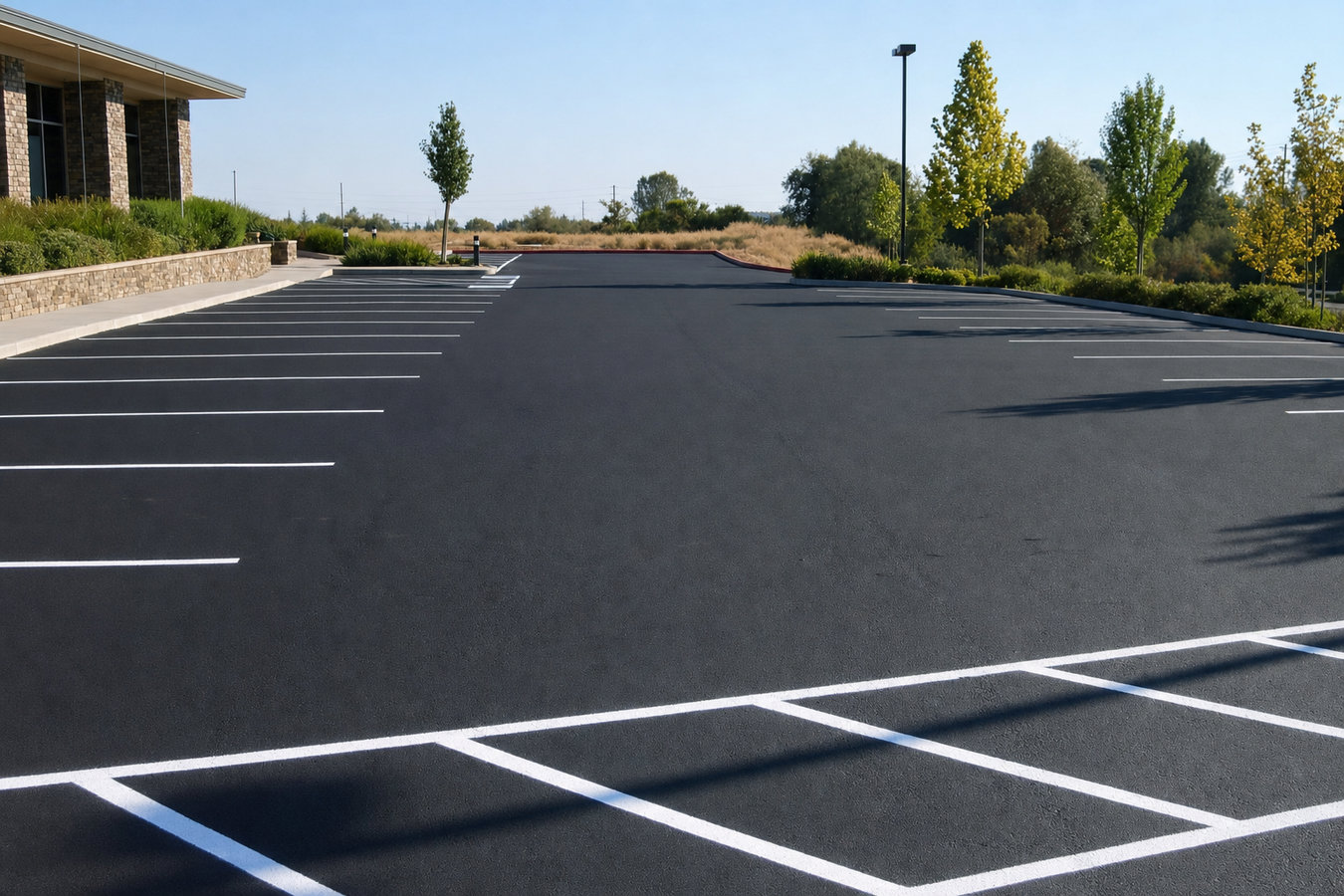
Richmond has a large commercial base near the waterfront, along the San Pablo Avenue corridor, and near the industrial zones that have operated here for decades. Many of these lots were paved during the city's post-war build-out and are long overdue for full replacement. Our parking lot paving service covers full base-out replacements, overlays on sound existing base, drainage corrections, and new lot layouts for Richmond business owners and property managers who need minimal closure time.
A large share of Richmond's residential driveways date to the 1940s and 1950s, when the city grew rapidly to house Kaiser Shipyard workers. Driveways that old - often on clay soil with no proper base - have been cracking, settling, and patching for decades. We replace aging Richmond driveways with properly compacted base material and thickness suited to the local soil conditions, so the new surface actually holds.
Richmond's mix of flatland and hillside properties means asphalt repair needs vary across the city. Flatland lots develop base failures from clay soil movement and drainage issues, while hillside driveways crack from slope-related stress and surface runoff. We assess the root cause before quoting repairs, because patching over a base failure in Richmond just means calling again next year.
Potholes in Richmond parking lots and driveways tend to start as small cracks that let winter rain reach the base, softening it until traffic breaks through. On older properties with thin original asphalt, one unrepaired pothole can spread into a larger failure zone within a single rainy season. We repair potholes by cutting to sound asphalt edges and filling with hot-mix - not cold patch that crumbles within months.
Richmond's rainy winters combined with clay soil expansion make crack sealing one of the highest-return maintenance investments available to property owners here. Sealing cracks before the November rains arrive stops water from reaching the base and slows the clay movement damage that builds up year after year. For landlords and property managers handling multiple Richmond addresses, fall crack sealing keeps repair costs predictable.
Properties near the Richmond shoreline face salt air and bay moisture that dry out asphalt binders faster than in inland East Bay cities. Sealcoating protects the surface from UV oxidation and moisture penetration, extending pavement life before a full replacement is needed. For older Richmond driveways and small lots that are structurally sound but showing surface wear, sealcoating every two to three years is a cost-effective way to stay ahead of deterioration.
Richmond grew fast during World War II when the Kaiser Shipyards brought tens of thousands of workers to the city, and most of the residential neighborhoods were built quickly in the 1940s and 1950s to house that workforce. That means a large share of the driveways, parking lots, and paved surfaces across Richmond are now 70 to 80 years old - and many were installed over base material that was not deep enough or properly compacted for the clay-heavy soils that underlie the East Bay flatlands. Clay soils here expand when wet and shrink when dry, applying stress to paved surfaces from below every single year. Older pavement on thin or poorly prepared base absorbs this movement directly, causing widespread cracking, edge failures, and surface settlement. Contractors who surface-patch without correcting the base are redoing the same job within a few seasons.
Richmond's coastal location adds a second set of pressures that inland contractors may not account for. The city sits on the eastern shore of San Francisco Bay, and salt air and morning fog move through regularly - especially in the flatland and waterfront neighborhoods. That persistent moisture and salt exposure accelerates the breakdown of asphalt binders and surface coatings faster than in drier East Bay cities like Walnut Creek or Concord. Seismic risk from the Hayward Fault, which runs through the broader East Bay region, also means older concrete and asphalt on aging properties can crack after even moderate ground movement - another reason Richmond homeowners with decades-old driveways should have their surfaces assessed rather than patched over.
Our crew works throughout Richmond regularly, and we understand the local conditions that affect asphalt paving work here. Richmond has distinct zones that require different approaches: the flatland neighborhoods near Interstate 80 and the San Pablo Avenue corridor have straightforward equipment access but demand careful base evaluation given the clay soils; the hillside neighborhoods on the eastern edge of the city near the East Bay hills involve steeper grades, longer driveways, and drainage conditions that differ significantly from flatland work. For projects that require city review, we work with the City of Richmond permit office and are familiar with the requirements for commercial and residential paving projects within city limits.
From the historic Point Richmond neighborhood near the Inner Harbor to the streets closest to the Richmond BART station and out to the hillside properties above the flatlands, we cover all parts of the city and know what to expect in each area. The Richmond-San Rafael Bridge connects the city directly to Marin County, and our team crosses that corridor regularly when serving clients on both sides of the bay. We also serve neighboring Berkeley to the south and San Pablo to the north, so if your property sits on or near the boundary between cities, we already know those neighborhoods.
Reach us by phone or through the contact form. We respond to all Richmond inquiries within 1 business day and will schedule a time to visit your property that works for your schedule. You do not need to be present for the initial walkthrough if that is easier.
We inspect the existing surface condition, base integrity, drainage, and any relevant soil or slope factors. For Richmond properties, this step is where we assess whether the base needs correction before paving - which affects both the cost and the longevity of the finished surface. You receive a written estimate with clear line items before any work begins.
We schedule the job during dry weather and coordinate with you on any parking or access arrangements needed during the work. Most Richmond driveways are completed in one day. Parking lot jobs depend on size and scope, and we discuss phasing options with commercial clients if closing the entire lot at once is not practical.
Once the paving is complete, we walk the finished surface with you and explain the curing timeline - typically 24 to 48 hours before vehicle traffic. We also let you know when the surface will be ready for sealcoating in the future, so you have a clear maintenance picture from day one.
We serve all of Richmond - from the flatlands near I-80 to the hillside neighborhoods in the east. Free estimates, written quotes, and no pressure to decide on the spot.
(628) 277-0007Richmond is one of the larger cities in Contra Costa County, with a population of roughly 100,000 to 115,000 people spread across a wide range of neighborhoods - from the industrial waterfront and the historic Point Richmond district near the bay, to the busy flatlands along Interstate 80 and the Richmond BART station, to quieter hillside streets on the eastern edge of the city near the East Bay hills. The housing stock is predominantly 1940s and 1950s single-family homes on small to medium lots, a direct result of the city's rapid wartime expansion. Today Richmond also draws attention for the Rosie the Riveter World War II Home Front National Historical Park, which honors the workers who built ships at the Kaiser Shipyards during the war. The Port of Richmond on the southern waterfront handles shipping, vehicles, and bulk cargo and remains an active industrial anchor for the city.
The city's geography makes it a natural connector in the East Bay. Interstate 80 runs through the northeastern part of Richmond toward Oakland and the Bay Bridge, while Interstate 580 and the Richmond-San Rafael Bridge give direct access to Marin County - a corridor our crew uses regularly when moving between jobs on both sides of the bay. Richmond is bordered by San Pablo to the north and Berkeley to the south, and we serve all three cities as part of our regular East Bay coverage area.
Full-depth parking lot paving for commercial and residential properties.
Learn MoreFrom post-war driveways in the flatlands to commercial lots near the waterfront, we know what Richmond surfaces need - and we give you a straight answer before any work starts.